
LIGA MX
América’s $200M Santa Fe Plan Masks Coapa Sale for Cash
Rumors of a $200 million Santa Fe complex for Club América hide Grupo Ollamani’s push to sell Coapa after Azteca World Cup costs and a $490 million partnership.

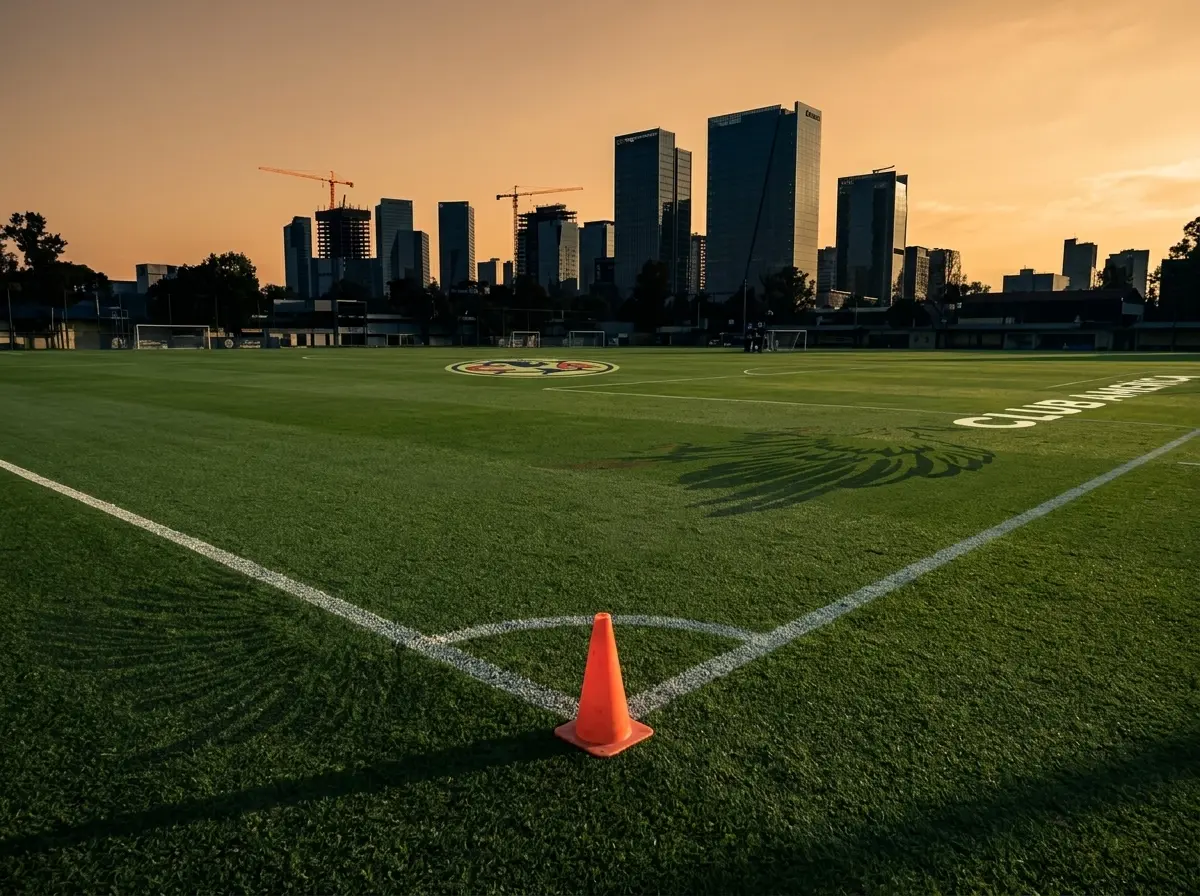
Club América is weighing a $200 million high-performance complex in Santa Fe that would end more than 50 years at Coapa, yet the driving force is liquidity for Grupo Ollamani after Azteca World Cup costs rather than pure ambition.
Journalist Carlos Ponce de León of RÉCORD and commentator Luis Castillo have outlined the plan in recent days. Nothing is official from the club. The reports tie new sporting director Xavier Budó, freshly arrived from FC Barcelona, to a full relocation that sells the historic Nido and rebuilds on land already held in the western business district.
Budó’s Blueprint for a New Nest
Xavier Budó joined as director of sports in early July 2026 alongside executive Ferran Reverter. His brief includes designing a modern sports city. The concept draws from Barcelona’s and Real Madrid’s centers, with specialized recovery zones, analytics labs, physical development areas and full first-team plus youth capacity.
El Nido ya no sería para el América
Carlos Ponce de León said that after noting the medium-to-long-term plan to sell Coapa and move. Reports put the investment at $200 million to leapfrog every Liga MX training base. One later account from fan media said the shift could take up to five years and cited simple space limits at the current site.
Santa Fe sits in Mexico City’s corporate west. Televisa already holds parcels there. The new build would house men’s, women’s and academy sides under one roof with technology that current facilities lack.
Why the Timing Lands After the World Cup
Grupo Ollamani, the club’s parent spun from Televisa interests, faces cash needs tied to Estadio Banorte (the former Azteca) upgrades. Multiple reports cite a $60 million hit from renovations, FIFA requirements and a legal fight with box-seat owners. Luis Castillo put it plainly on Octava Sports: Ollamani owes Televisa $60 million and needs flow, so the Coapa sale is already mapped.
- $60 million reported debt and Azteca-related outlay forcing liquidity talks
- $490 million enterprise value on the Ollamani-General Atlantic $490 million enterprise value alliance that created Grupo Águilas
- $200 million target spend on the Santa Fe high-performance center
In December 2025 Ollamani kept 51 percent control while General Atlantic took 49 percent of the entity holding Club América, Banorte and adjacent real estate. Emilio Azcárraga Jean chairs the new group. Proceeds were meant for shareholder value and growth. Stadium modernization for the 2026 World Cup opening match added pressure. Selling Coapa turns a southern land asset into cash while the club relocates to owned western ground.
Some on X noted the ownership overlap. Azcárraga controls stakes across Televisa and Ollamani, so the “debt” can look like an internal transfer. Rivals piled on with jokes about financial strain. Supporters counter that space really is tight and a clean rebuild beats patchwork.
Coapa Still Carries the Club’s Memory
The Instalaciones Club América en Coapa opened in 1973 in Tlalpan. Known as El Nido, the site covers roughly 70,000 square meter Coapa grounds used by the first team, women, youth and staff. Argentina’s 1986 World Cup winners trained there under Carlos Bilardo; it was their first base in Mexico.
| Facility | Coapa (El Nido) | Chivas Verde Valle |
|---|---|---|
| Opened / size | 1973 / ~70,050 m² | ~42,000 m² |
| Pitches | 4 grass | 6 natural grass + 2 artificial |
| Other | 2 gyms, medical, locker rooms, offices, trophy room, dining | State-of-art renovation ongoing |
| Notes | Renovated 2008-09; recent women’s clubhouse | Guadalajara base |
A 2008-09 overhaul refreshed offices, lockers and gear. Fresh construction for the women’s side makes a quick sale surprising to some observers. Monterrey’s El Barrial ranks among the other benchmarks América wants to surpass. Leaving means losing the birthplace of countless titles and academy graduates.
Fans Split Between Soul and Scale
Americanistas are divided in classic fashion. One camp sees European-level tools as the only way to keep winning in a richer Liga MX and CONCACAF. The other calls Coapa irreplaceable heritage built over generations. Selling the nest after recent upgrades feels like trading memory for balance-sheet relief.
Youth development sits at the center of the worry. Coach Guillermo Almada has publicly backed academy products to fill gaps this Apertura. That Almada’s bet on América academy kids works better inside stable, familiar facilities. A multi-year construction timeline risks disrupting the pipeline that has long fed the first team.
On X the sharpest takes mixed nostalgia with hard finance. High-engagement clips from La Octava Sports framed the debt-forced sale and drew hundreds of thousands of views. Replies ranged from rival gloating to cool analysis that Santa Fe land is premium and a full rebuild will cost more than staying put.
How Santa Fe Would Stack Against Rivals
The stated goal is simple: the best complex in Mexico and among the strongest in Latin America.
- Specialized recovery and sports-science wings modeled on Barcelona and Real Madrid
- Full analytics and performance labs that current Liga MX sites only partially match
- Capacity for men’s, women’s and all youth categories on one modern campus
- Corporate Santa Fe location that eases sponsor and media access
Verde Valle already offers more pitches on a smaller footprint and is receiving its own upgrades. El Barrial sets a high northern standard. América’s $200 million figure, if real, would set a new ceiling. Parallel European stories show the friction: even big clubs live with unfinished Camp Nou still hosting Clásicos while renovations drag. A clean Santa Fe build avoids that, but only if funding and permits hold.
What Is Confirmed and What Stays Rumor
What we know
- Budó is in place as sporting director with a sports-city mandate
- Ollamani-General Atlantic closed a $490 million EV deal in late 2025 for the América-Banorte platform
- Coapa has operated since 1973 and hosted the 1986 Argentina squad
- Multiple journalists (Ponce de León, Castillo) independently describe the sell-and-move plan tied to cash needs
What’s unconfirmed
- Any board vote, sale listing or construction timeline from Club América or Ollamani
- Exact $200 million budget or final Santa Fe parcel details
- Whether the recent Coapa women’s clubhouse and other works are written off or folded into a deal
- Impact on day-to-day training for the current Apertura campaign
The club debuted the Apertura 2026 away to Querétaro on 18 July. Training continues at Coapa for now. A medium-term horizon gives room to negotiate, but every week of silence keeps the rumor alive.
The Real Stakes Sit Off the Pitch
If the sale closes, Ollamani converts a sentimental southern asset into balance-sheet oxygen while General Atlantic’s growth thesis gets a modern training engine and better real-estate story. Players gain recovery science and data tools. The academy keeps a single home instead of scattered fields. Sponsors gain a Santa Fe address that matches the corporate crowd.
The downside is cultural. Coapa is where titles were forged and where fans still point when they talk about the club’s soul. Selling it after World Cup spending and a PE injection can look like the business side winning every argument. Internal debt optics already fuel skepticism that the crisis is overstated. Space constraints are real, yet so is the cost of building from zero in a pricey district.
América has spent a century turning money and ambition into silverware. This move would be the purest test yet of whether the next fifty years require leaving the nest that built the first fifty. Until the club speaks, the $200 million dream and the Coapa sale remain two sides of the same unconfirmed ledger.

-
 NEWS2 months ago
SoFi Stadium Strike Vote Puts U.S. World Cup Opener on Alert
-

 NEWS2 months ago
The Five Wingers Aston Villa Are Chasing This Summer
-
 NEWS2 months ago
Liverpool Agree Deal With Iraola to Lead Anfield’s Rebuild
-
 NEWS2 months ago
SNRT Gives Morocco’s World Cup Games a Public TV Window
-
 LA LIGA2 months ago
Real Madrid Now Pay More for Mourinho After Benfica Clause Lapsed
-
 EUROPA LEAGUE2 months ago
Sunderland’s Europa League Dates Start a Travel Race
-

 NEWS2 months ago
Barcelona’s Gamble to Underpay for Rashford Is Running Out of Time
-

 NEWS2 months ago
Summerville Went From Zero Caps to a World Cup in Seven Days